Size vs Quality
Overview
Diamond size and diamond quality are not opposites. They are two different ways of defining what looks best to you. Size is most often discussed in carat weight, but carat measures weight, not physical dimensions. Quality is typically described through grading factors such as cut, color, and clarity, which influence light performance and overall appearance.
What Size Really Means
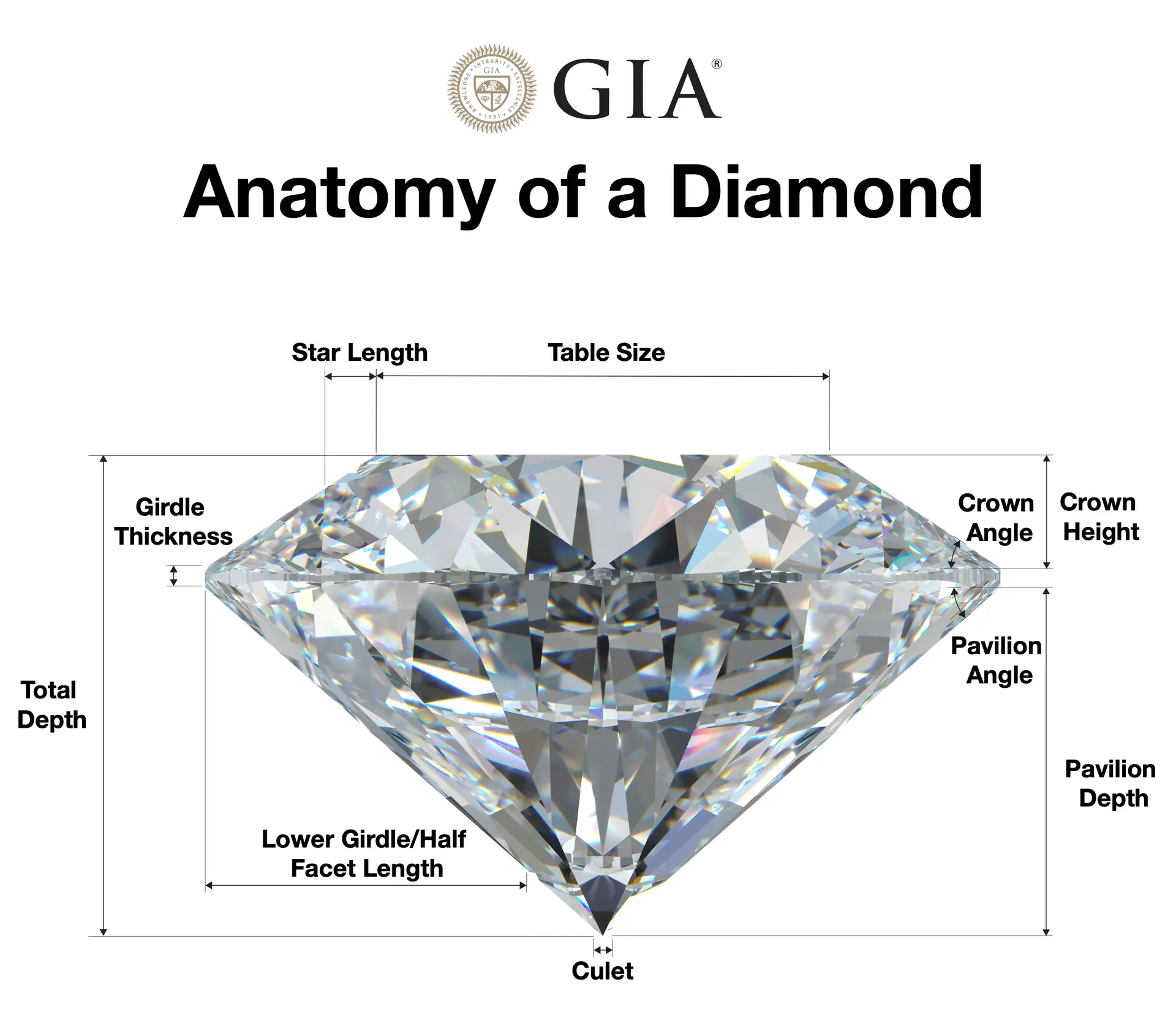
Carat is weight, not size. Two diamonds with the same carat weight can look different in size depending on how they are cut and proportioned.
Cut design affects face up appearance. A diamond can carry weight in depth or spread it across the top surface. That decision changes how large it looks from above.
What Quality Usually Means
Cut quality drives sparkle. Brightness, fire, and scintillation are strongly influenced by how well a diamond is cut and how it interacts with light.
Color grading describes visible tint. The standard scale runs from D through Z, representing increasing presence of color.
Clarity describes inclusions and blemishes. Inclusions can be minor or obvious depending on grade, and more obvious inclusions can affect transparency, brilliance, and durability.


The Core Tradeoff
If you put more of your budget into size, you may have less room for higher grades in cut, color, or clarity. If you put more of your budget into higher grades, you may choose a smaller carat weight. The best choice is the one that matches how you notice beauty, either from across the room or up close.
How to Balance Size and Quality
Start with cut. A well cut diamond can look brighter than a poorly fashioned one even when size, color, and clarity are similar.
Decide what you actually see. Many buyers prefer a look that appears clean and bright to the eye rather than focusing on technical perfection.
Choose a comfortable size range, then refine quality. This keeps the decision practical and prevents chasing one metric at the expense of the overall look.